
A balanced thin-and-light platform for higher-value programmes.
MR-8 supports a step up from standard resin while keeping mainstream power coverage practical. Functional and custom routes are quoted against the actual SKU.
A 1.60 MR-8 lens family positioned between standard resin and higher-index materials. MR-8 is selected for thinness, lightweight wear and impact-oriented applications, while finished-lens performance remains subject to product-specific testing.
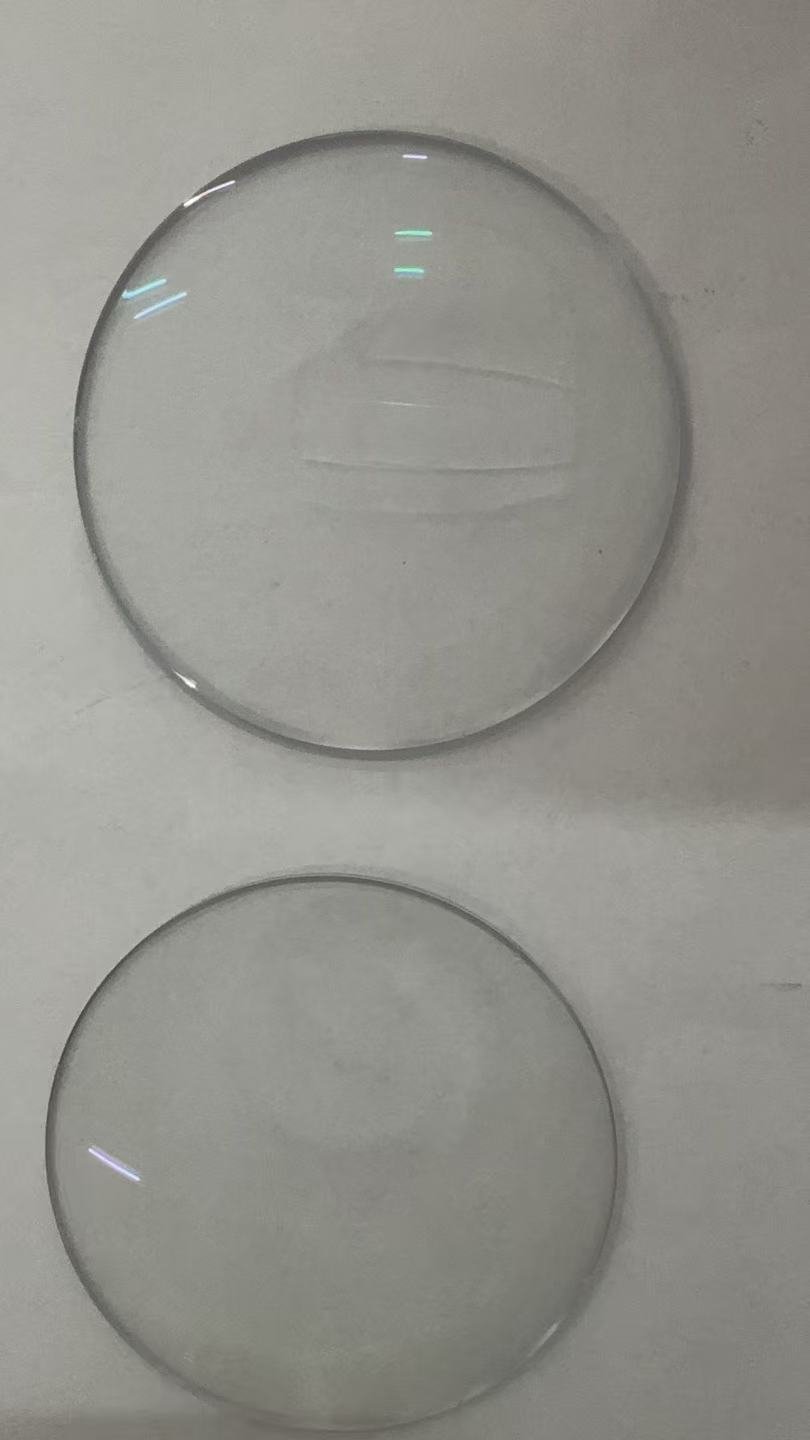
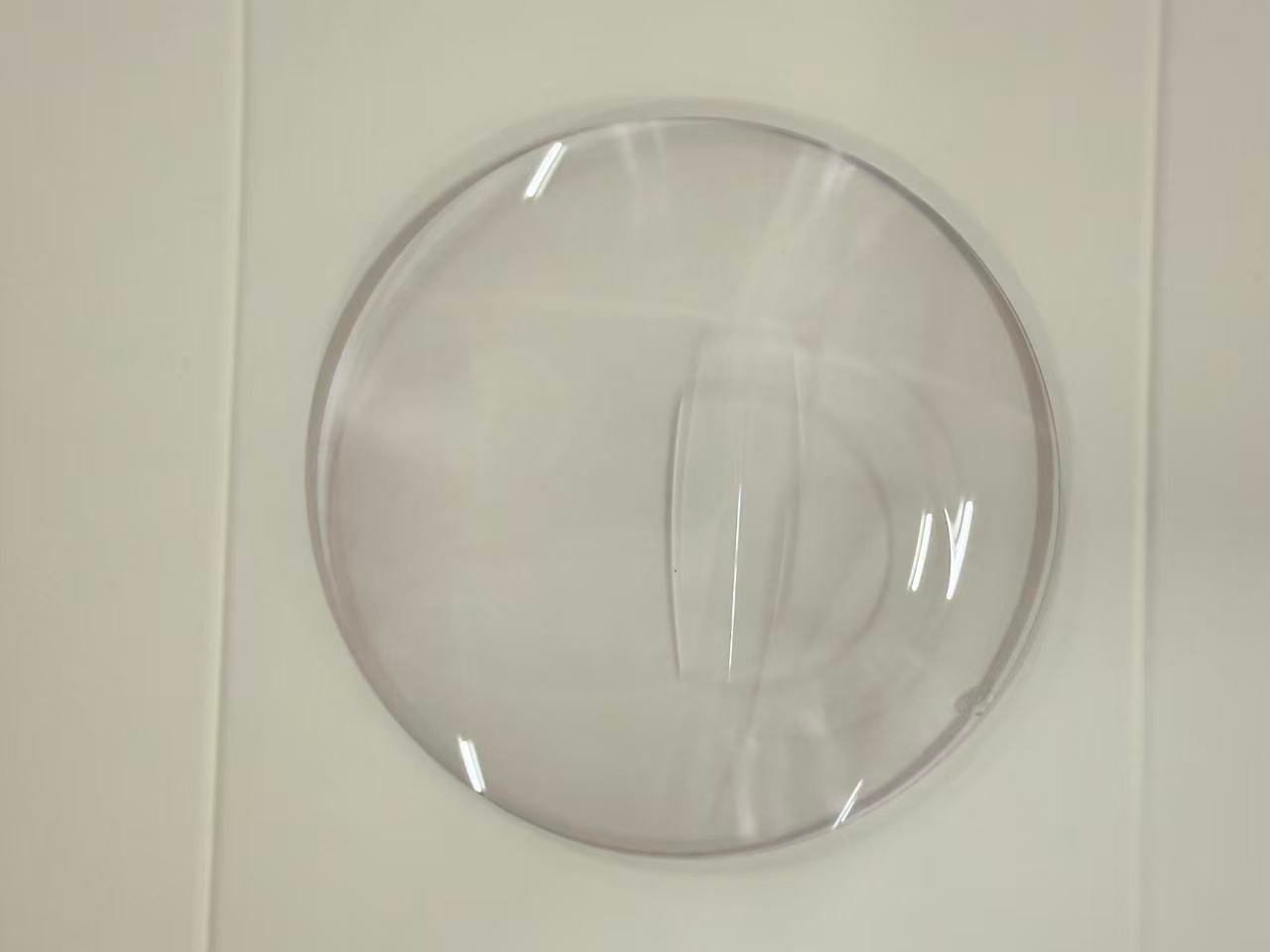
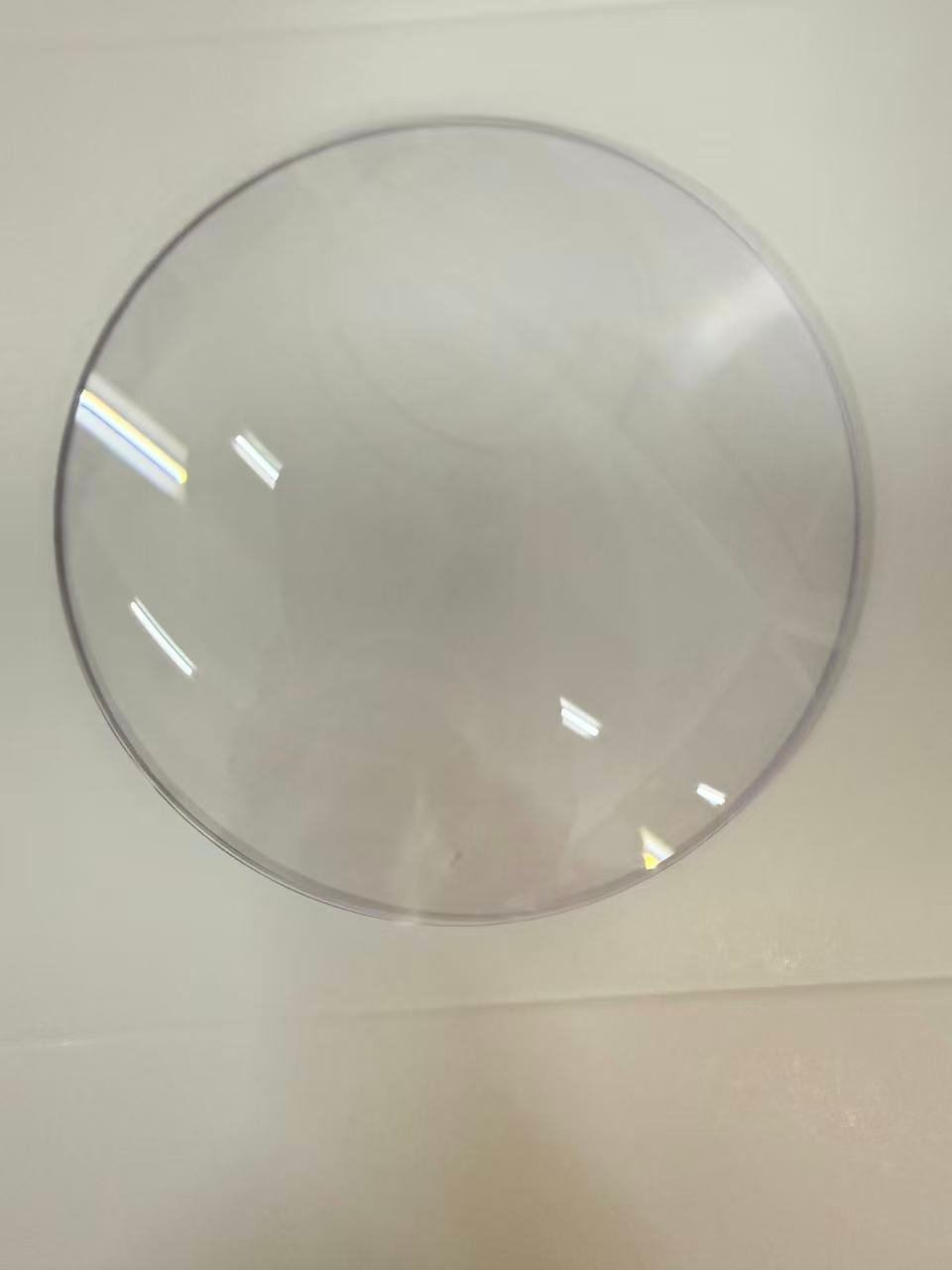
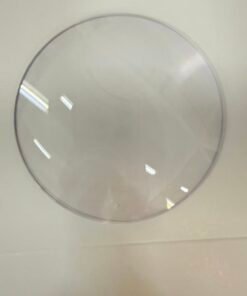
Representative lens image. Final material, coating, tint, base curve and appearance depend on the confirmed order specification.
Verified product essentials
| Refractive index | 1.60 |
| Material | MR-8 |
| Stock power | SPH +6.00 to -8.00; CYL -0.25 to -4.00 |
| Diameter | Confirmed per power and stock batch |
| Coating | AR, HC and other available layers confirmed in the quotation |
| Format | Stock finished lenses; inner progressive and other custom designs are quoted separately |
How to choose this product
Choose 1.60 MR-8 where buyers want a thinner lens than 1.56 while retaining a practical strength and processing profile for mainstream prescriptions.
Specification boundaries
- MR-8 is an impact-oriented lens material; the material property is not a finished-lens certification.
- Finished impact performance depends on design, thickness, power and processing, and must be supported by the applicable product test.
- Photochromic, polarized and other functional designs are separate configurations.
Ordering, samples and packaging
MOQ
Typical mixed-order minimum is 100 pairs. Individual stocked powers commonly require around 50 pairs; availability is confirmed before order acceptance.
Samples
5–10 sample pairs can be offered free of product charge. The buyer pays freight or supplies a freight-collect account. Sample availability is confirmed by specification.
Packaging
Standard white packaging is available. Private-label and anti-counterfeit marking can be discussed subject to artwork, quantity and production approval.
Quality and evidence
ShenHai Optical manufactures at its Danyang production site and controls incoming material, production, optical inspection and packing checkpoints. Product-specific testing under the applicable ISO 8980 or ISO 10322 scope is confirmed on the quotation or report rather than inferred from the material alone.
See the quality-control workflow · View company and certification status
Buyer questions
Does MR-8 automatically make every finished lens impact-resistant?
No. Material selection and finished-lens testing are separate. Ask for the report scope covering the exact product, design and representative specification.
Can you supply semi-finished MR-8 blanks?
Semi-finished enquiries are handled separately with base curve, diameter, thickness and add requirements.
MR-8 material properties and finished-lens performance are different questions
MR-8 can be described as an impact-oriented lens material when the claim is supported by the supplier’s technical documentation. That does not prove that every finished MR-8 lens, at every power, thickness, frame and processing route, meets a particular impact standard.
When to choose 1.60 MR-8
MR-8 is a useful middle position when the buyer wants a thinner lens and a more robust material profile than conventional 1.56, while keeping the program practical for mainstream prescriptions. Compare the actual power distribution rather than assuming that 1.60 is universally better.
Before approving a sample
- Confirm material grade from TDS/COA.
- Record the exact design and finished/SF format.
- Confirm coating adhesion and appearance.
- Measure representative central and edge thickness.
- Match any impact claim to the finished-lens test scope.
Treatment options and claim boundaries
The current product file discusses anti-reflection, anti-radiation, super-hydrophobic, inner-coating, wear-resistant and HC hard-coat treatments, together with blue or green coating appearance and selected blue-light, photochromic or polarized programmes.
Confirm the exact stack for the ordered SKU
Availability depends on the material, lens design, coating supplier, production route and requested performance. A quotation should name the actual treatment rather than only saying “coated”.
Two claims that remain separate
A blue or green coating appearance does not automatically prove blue-light blocking. A material described as impact-oriented does not prove that every finished lens meets a particular impact standard. Each claim requires the matching specification, material data or product test.
More technical questions
Does the MR-8 name certify a finished impact-resistant lens?
No. The material may be impact-oriented, but the finished product claim must match the tested design, power, thickness and scope.
Should 1.60 always replace 1.56 or 1.67?
No. The correct choice depends on the power distribution, frame, thickness target, coating and cost position.
Check the related buying decisions
Documents and test evidence
Download the technical data sheet for this family, open the issued test report where one exists, and check the evidence matrix before you quote the product to your customer.
TDS
Technical data sheet · TDS-160Specification, power reference, MOQ, samples, packing and Incoterm.Download PDF
ISO
Test report 5004 · ISO 8980ISO 8980-3:2022 · transmittance 95.9% · UV-A/UV-B 0.0% · 16 samples · issued 2026-11-11Open issued report
CAT
2026 product catalogueAll lens families, factory and packaging overview.Download PDF
Test evidence for this family: report 5004 — ISO 8980-3:2022 · transmittance 95.9% · UV-A/UV-B 0.0% · 16 samples · issued 2026-11-11. The report covers only the sample product, powers and clauses named in it.
Related products
Lenses
Lenses
Lenses