
A corridor-based lens for distance-to-near vision.
Progressive design links distance, intermediate and near zones through a corridor. Confirm the exact design code, fitting height, ADD and whether the purchase is finished lenses or semi-finished blanks.
Progressive lenses for laboratories and distributors that need a controlled selection of corridor, addition and stock or lab-order configurations. Corridor length is a lens-design parameter; it does not apply to flat-top or round-top bifocals.
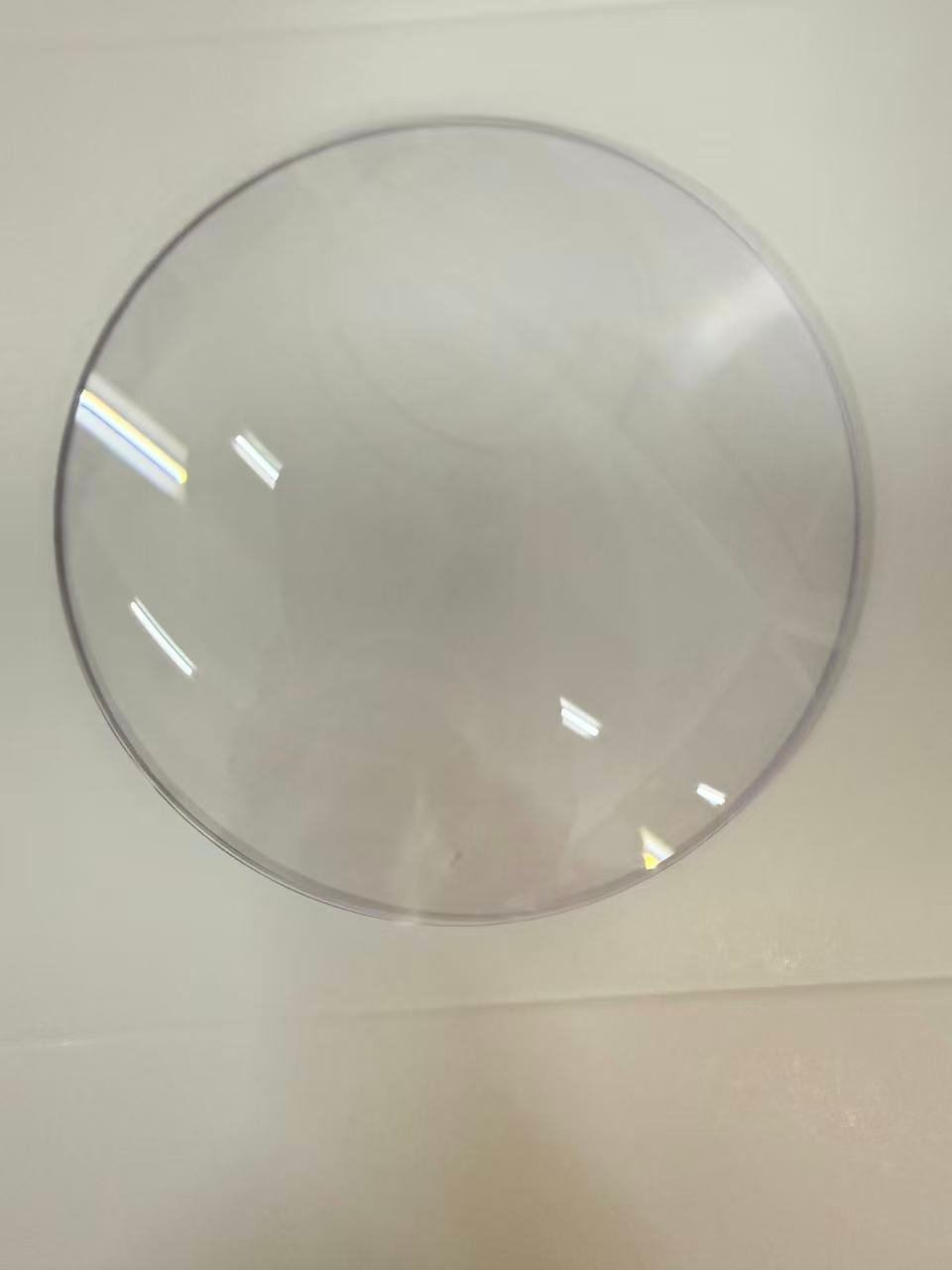
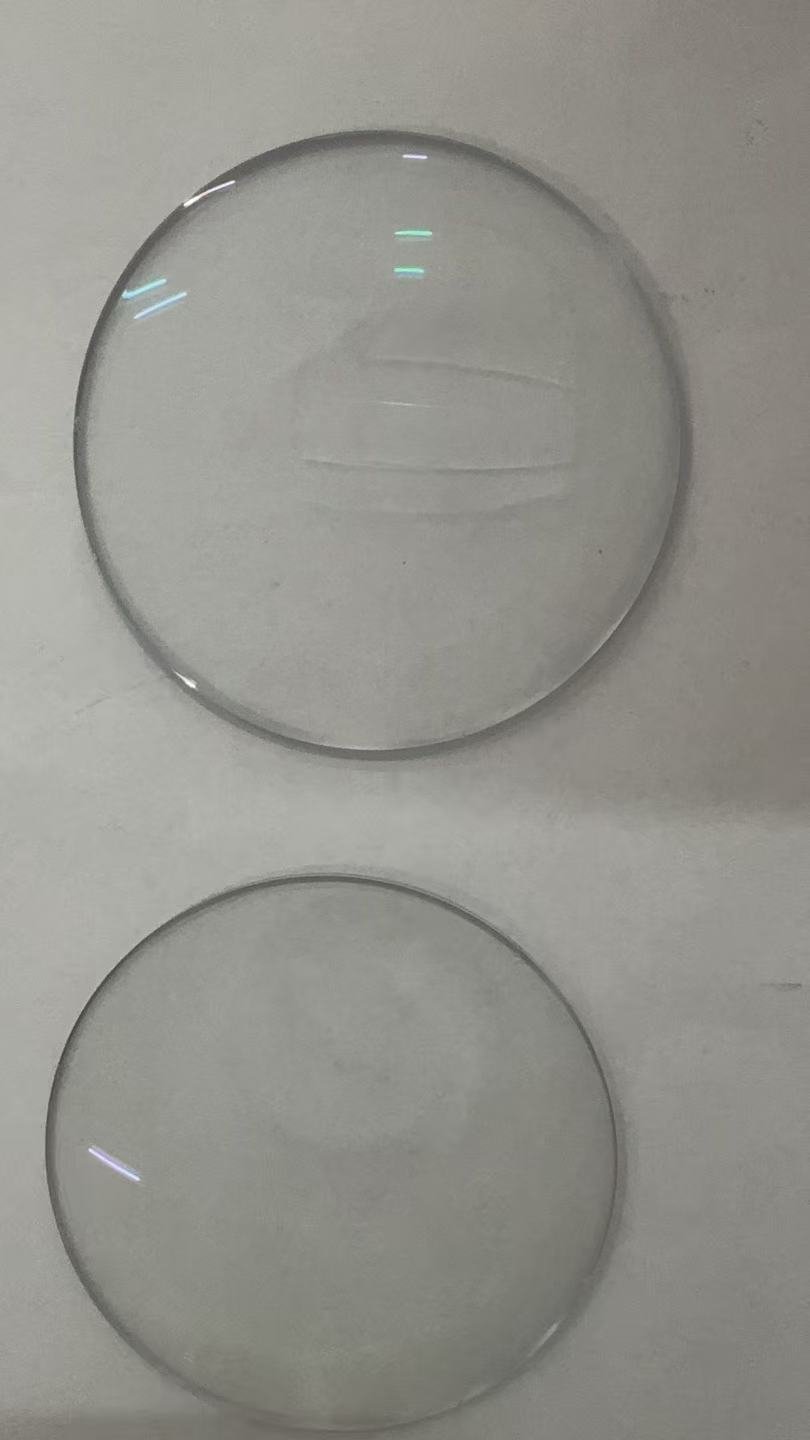
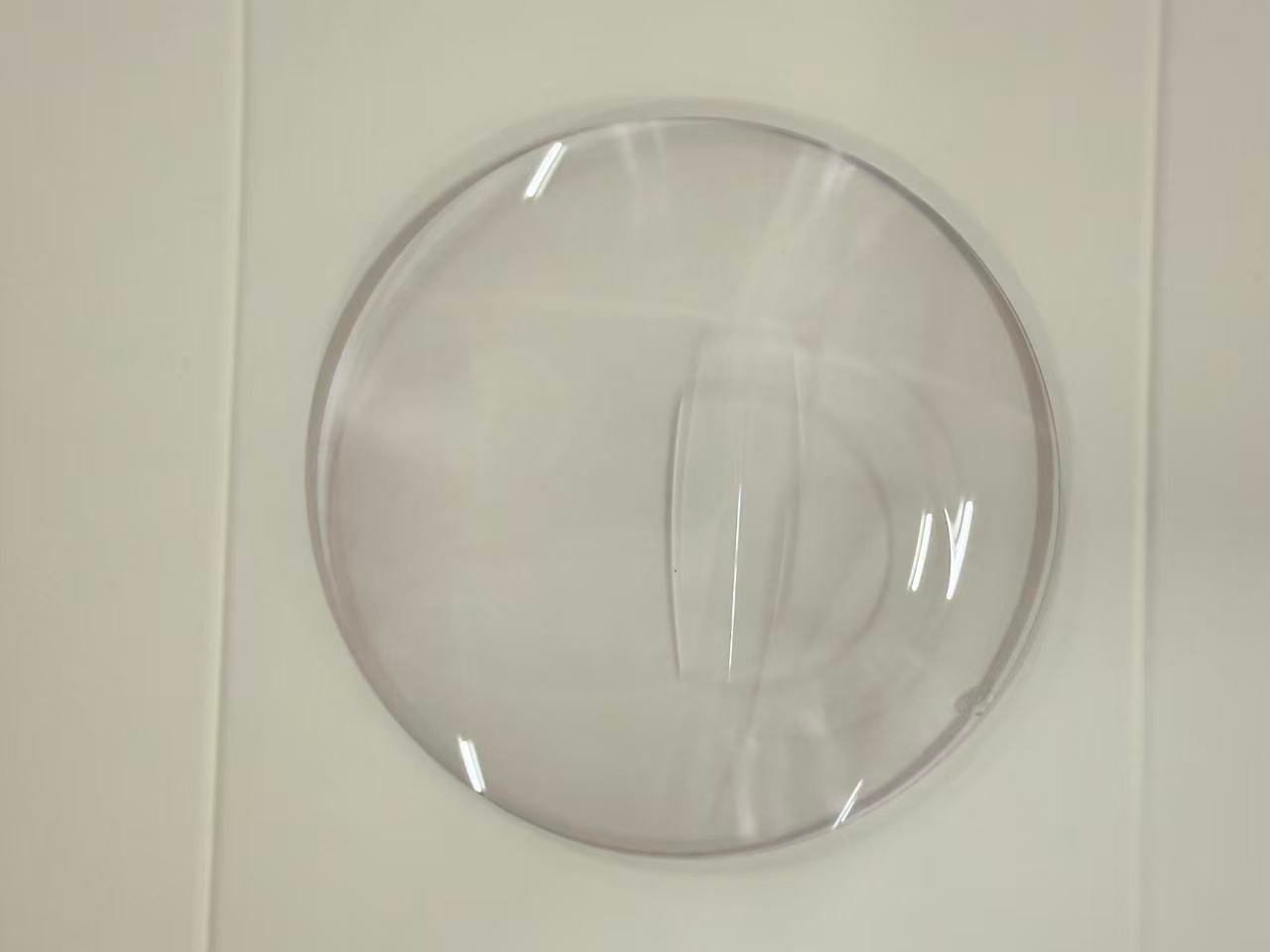
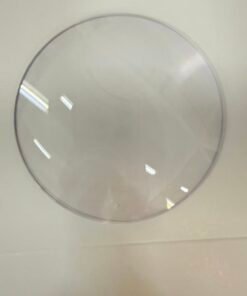
Representative lens image. Final material, coating, tint, base curve and appearance depend on the confirmed order specification.
Verified product essentials
| Design | Progressive addition lenses |
| ADD | +0.50 to +3.50, normally in 0.25 steps |
| Corridor | 9–12 mm and 10–14 mm options; 9–10 mm is treated as short and 10–14 mm as long |
| Stock reference | SPH +2.00 to -3.00 for the stated stock program |
| Materials | 1.49 and 1.56 polymer options identified for this family |
| Format | Stock finished lenses and lab-custom orders quoted separately |
How to choose this product
Choose progressive lenses when the end wearer needs continuous distance-to-near vision. Confirm corridor, fitting height, frame shape and the buyer's dispensing support before selecting a design.
Specification boundaries
- Cylinder and out-of-stock prescriptions enter the lab-custom route.
- The buyer's fitting and dispensing process affects final wearer satisfaction.
- Flat-top and round-top bifocals are separate designs and do not use a progressive corridor.
Ordering, samples and packaging
MOQ
Typical mixed-order minimum is 100 pairs. Individual stocked powers commonly require around 50 pairs; availability is confirmed before order acceptance.
Samples
5–10 sample pairs can be offered free of product charge. The buyer pays freight or supplies a freight-collect account. Sample availability is confirmed by specification.
Packaging
Standard white packaging is available. Private-label and anti-counterfeit marking can be discussed subject to artwork, quantity and production approval.
Quality and evidence
ShenHai Optical manufactures at its Danyang production site and controls incoming material, production, optical inspection and packing checkpoints. Product-specific testing under the applicable ISO 8980 or ISO 10322 scope is confirmed on the quotation or report rather than inferred from the material alone.
See the quality-control workflow · View company and certification status
Buyer questions
What corridor lengths are available?
The supplied reference includes 9–12 mm and 10–14 mm ranges, with 9–10 mm treated as short and 10–14 mm as long. Confirm the exact design before ordering.
Can you supply semi-finished progressive lenses?
Lab-order and semi-finished requirements are reviewed separately. Base curve, diameter, thickness and ADD must be specified.
Progressive lens specification starts with design intent
Progressive lenses use a distance zone, an addition and a corridor that connects them. The corridor, fitting height, frame shape and expected wearer use must be considered together. A progressive is not a bifocal with a different drawing.
Stock and lab-order routes
Stock programs can support defined powers and one or more design options. Custom work can extend the power range, but requires a clear Rx distribution, fitting assumptions and an approved design. Semi-finished progressive blanks are specified by design, base curve, diameter, thickness and ADD.
What the buyer should evaluate
- Corridor and intended fitting height
- ADD range and step
- Distance and near-zone balance
- Power, prism and centration data
- Coating and material
- Finished or SF evidence scope
Sample evaluation should include markings, surface quality, power verification, coating appearance and the buyer’s own fitting requirements. End-wearer adaptation is affected by both lens design and the dispensing process, so the final responsibility boundary should be agreed before launch.
Treatment options and claim boundaries
The current product file discusses anti-reflection, anti-radiation, super-hydrophobic, inner-coating, wear-resistant and HC hard-coat treatments, together with blue or green coating appearance and selected blue-light, photochromic or polarized programmes.
Confirm the exact stack for the ordered SKU
Availability depends on the material, lens design, coating supplier, production route and requested performance. A quotation should name the actual treatment rather than only saying “coated”.
Two claims that remain separate
A blue or green coating appearance does not automatically prove blue-light blocking. A material described as impact-oriented does not prove that every finished lens meets a particular impact standard. Each claim requires the matching specification, material data or product test.
More technical questions
Does every progressive lens have the same corridor?
No. Corridor and design depend on the product and fitting requirements. Confirm the exact design before ordering.
Can I change ADD without changing the rest of the specification?
ADD is a design and production input. Changes may affect availability, pricing and test scope and should be reviewed with the quotation.
Check the related buying decisions
Documents and test evidence
Download the technical data sheet for this family, open the issued test report where one exists, and check the evidence matrix before you quote the product to your customer.
TDS
Technical data sheet · TDS-PROGSpecification, power reference, MOQ, samples, packing and Incoterm.Download PDF
ISO
Test report 5007 · ISO 8980ISO 8980-2:2017 · power variation · 8 samples · issued 2026-11-11Open issued report
CAT
2026 product catalogueAll lens families, factory and packaging overview.Download PDF
Test evidence for this family: report 5007 — ISO 8980-2:2017 · power variation · 8 samples · issued 2026-11-11. The report covers only the sample product, powers and clauses named in it.
Related products
Lenses
Lenses
Lenses